Water
Water Filters and Purifiers: Gravity, Pump, Straw, and Countertop Compared
Filter marketing runs on two weasel words: 'removes up to' and 'reduces.' The useful question is narrower: does this device remove bacteria, protozoa, viruses, chemicals, or only bad taste, and how many gallons can it process before the element is spent? This guide sorts the main types by what they genuinely do.
The key distinction in US regulation language: a filter removes bacteria and protozoa; a purifier also removes viruses. Most popular preparedness filters, including the classic gravity elements and squeeze filters, are filters, not purifiers, which is why pairing them with boiling or bleach is the belt-and-suspenders standard.
Quick facts
- Filter vs. purifier
- Filters remove bacteria and protozoa; purifiers also remove or inactivate viruses
- Hollow-fiber pore size
- Commonly 0.1 micron: blocks bacteria and protozoa, not viruses
- Gravity systems
- No power or water pressure needed; about 1-7 gallons per element pair, household-scale
- Carbon's job
- Taste, odor, chlorine, and some chemicals; not a germ barrier by itself
- Everyday systems (Waterdrop)
- Brand states average order value of $235+ and a 3.5% conversion rate on its own affiliate page; under-sink and countertop RO are daily-use, not off-grid, tools
Gravity filters: the household workhorse
Two chambers, gravity, and time: fill the top, drink from the bottom. Gravity systems built around quality elements (the Berkey-style format, and drip systems from brands like Alexapure) process enough water for a family's drinking and cooking with zero power or pressure, which is why they anchor so many preparedness kitchens. Throughput is the trade-off: a household pair of elements typically produces a gallon or two per hour.
Element quality varies enormously and third-party testing is the only real separator. Buy elements with published test results against recognized standards, and keep a spare set in storage; a clogged element in week two of an outage is a plan failure, not bad luck.
Squeeze, pump, and straw filters: the mobile layer
Hollow-fiber squeeze filters (Sawyer's format) and pump filters are the bug-out and travel layer: tiny, light, and typically rated to 0.1 micron, which handles bacteria and protozoa like Giardia. Straws are the last-ditch personal version of the same technology. Their limits are throughput (squeezing liters gets old) and freezing: a hollow-fiber element that freezes can crack internally and stop protecting you, so cold-weather kits keep the filter in an inside pocket or sleeping bag.
None of these remove viruses or chemicals. For suspect water abroad or floodwater at home, pair them with chemical disinfection.
Countertop, under-sink, and reverse osmosis: the daily layer
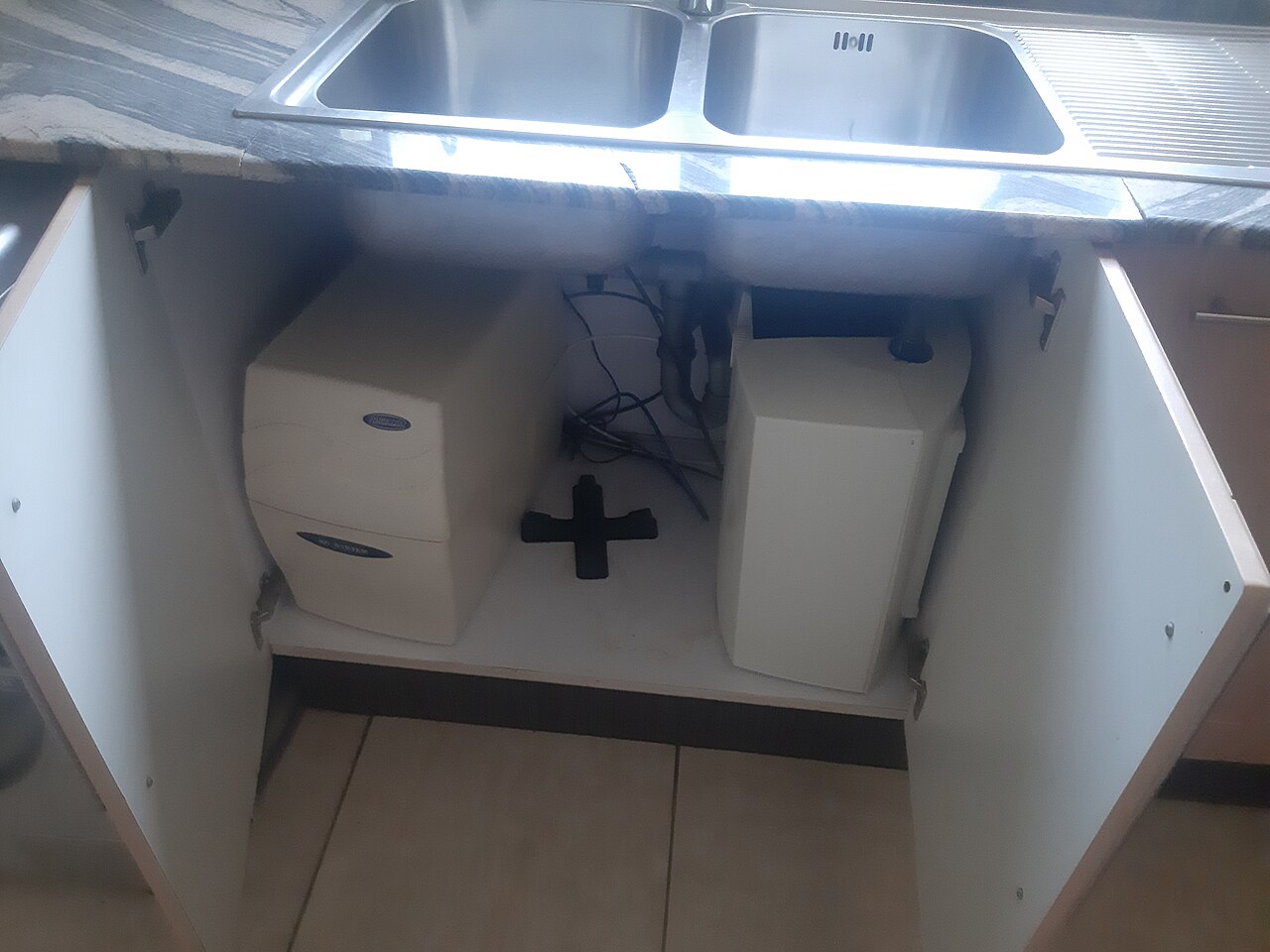
Plumbed systems from brands like Waterdrop, including under-sink reverse osmosis (RO), are about everyday water quality: chlorine, taste, lead, and a long list of dissolved contaminants that RO membranes genuinely reduce. They need household water pressure (or a pump) and produce wastewater, so they are not grid-down tools. Their preparedness role is different: they make your daily water better 360 days a year, and their stored spare cartridges double as short-term backup.
Do not let a great daily system substitute for the off-grid layer. When pressure drops to zero, the gravity filter and stored barrels carry the plan.
Sizing and maintenance that people skip
- Size for drinking plus cooking: about 1 gallon per person per day through the filter in an emergency.
- Keep spare elements sealed in storage; elements are the consumable, the housing is forever.
- Backflush squeeze filters after every trip; flow rate is your clog warning.
- Never let a wet hollow-fiber element freeze.
- Carbon taste elements have a shelf life whether used or not; date them.
Step-by-step: put it into practice
Tick each step off as you complete it. Your progress is saved on this device.
Where to buy: we link brands directly until our affiliate reviews are complete. Current plain links:
Sources
Facts checked against the sources above. Last verified: November 11, 2026. If a figure here ever conflicts with an official source, the official source wins, and we want to hear about it via the contact page.