System 1
Food storage
Freeze-dried meals, #10 cans, DIY buckets, one-year supplies, and home freeze dryers, planned in calories, not serving-count marketing.
Open the food hub →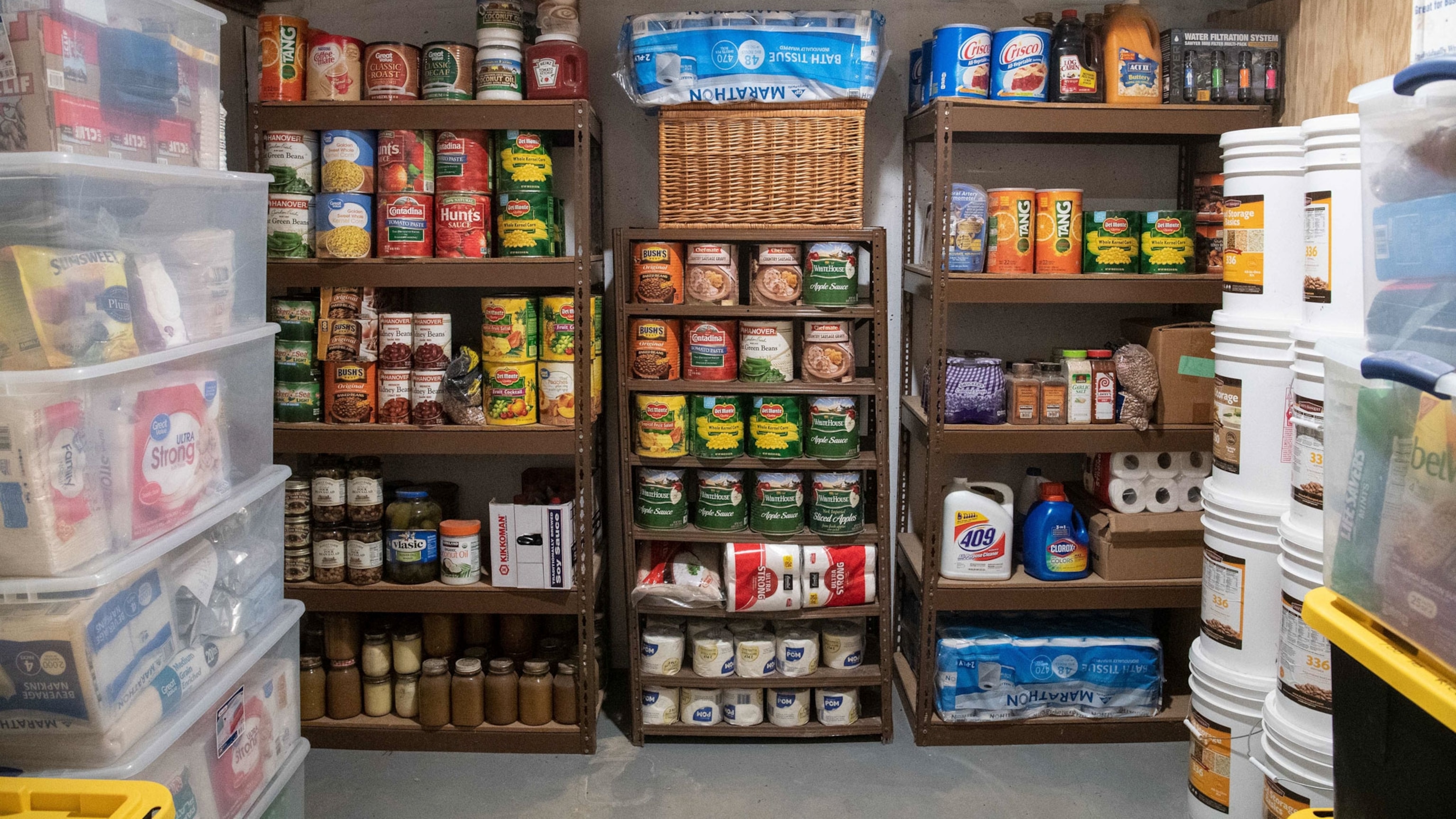
Preparedness, without the panic
Long-term food storage, water, bug-out gear, and solar you build yourself. Planned with real numbers, checked against primary sources, and dated on every page.
Photo: National Geographic (editorial).
Every serious plan is the same four systems in the same order: food, water, gear, and power. Each hub below goes from the basics to the deep end, with calculators that turn your household into exact numbers.
Freeze-dried meals, #10 cans, DIY buckets, one-year supplies, and home freeze dryers, planned in calories, not serving-count marketing.
Open the food hub →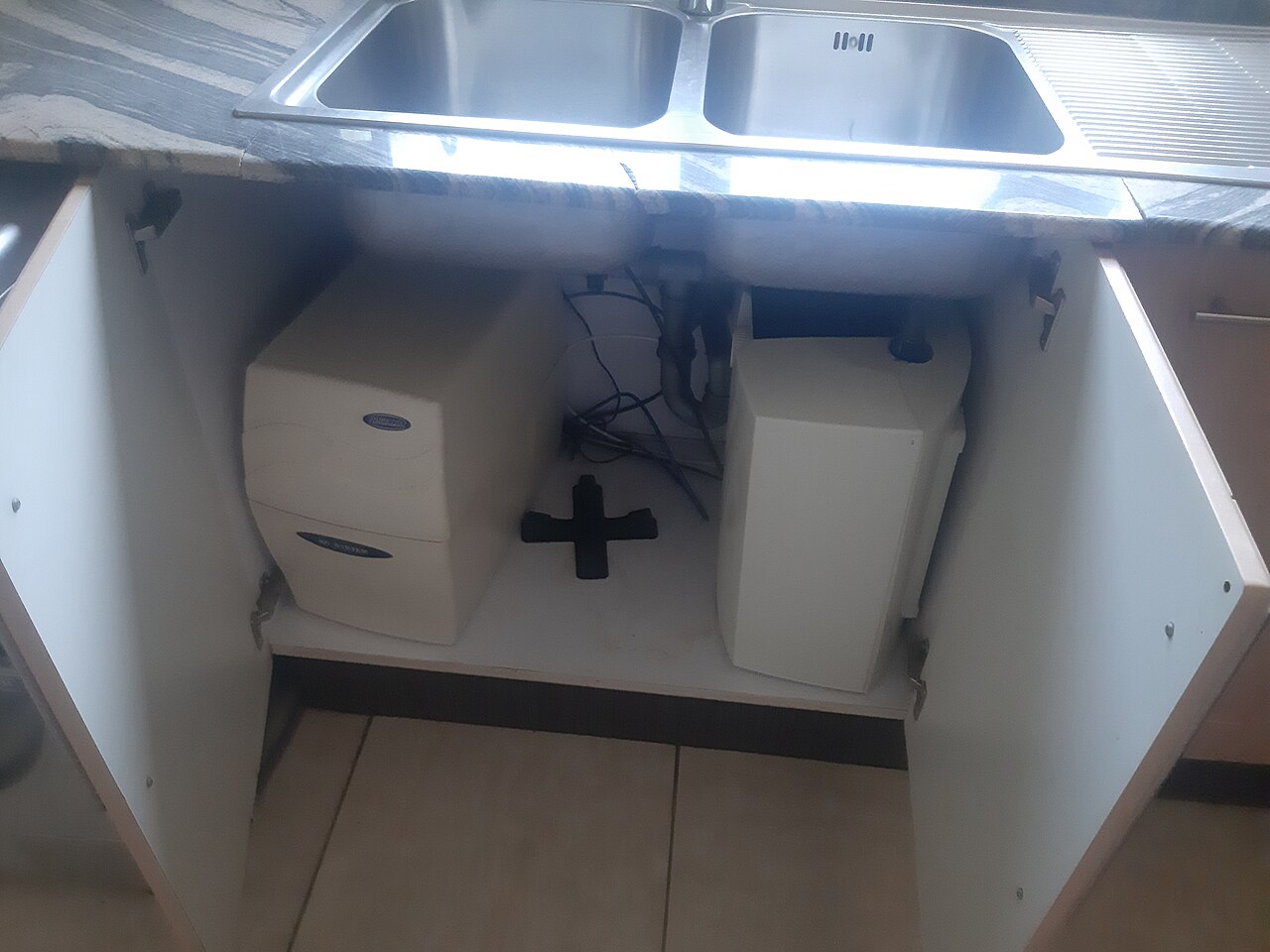
Storage at the CDC baseline, boiling and bleach disinfection with exact doses, and filters compared by what they actually remove.
Open the water hub →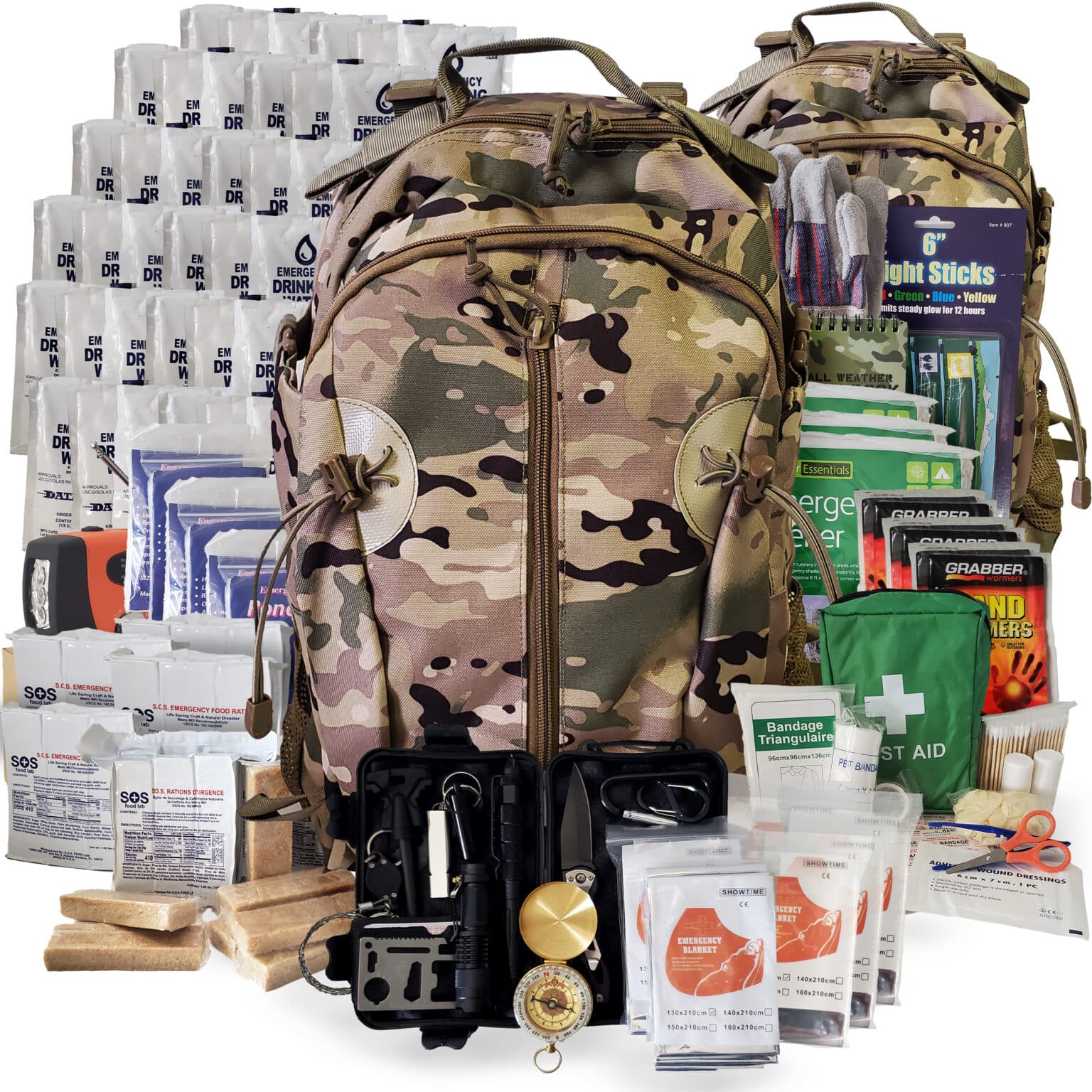
The 72-hour bag built right, emergency communications with honest licensing facts, and Faraday protection without the fairy tales.
Open the gear hub →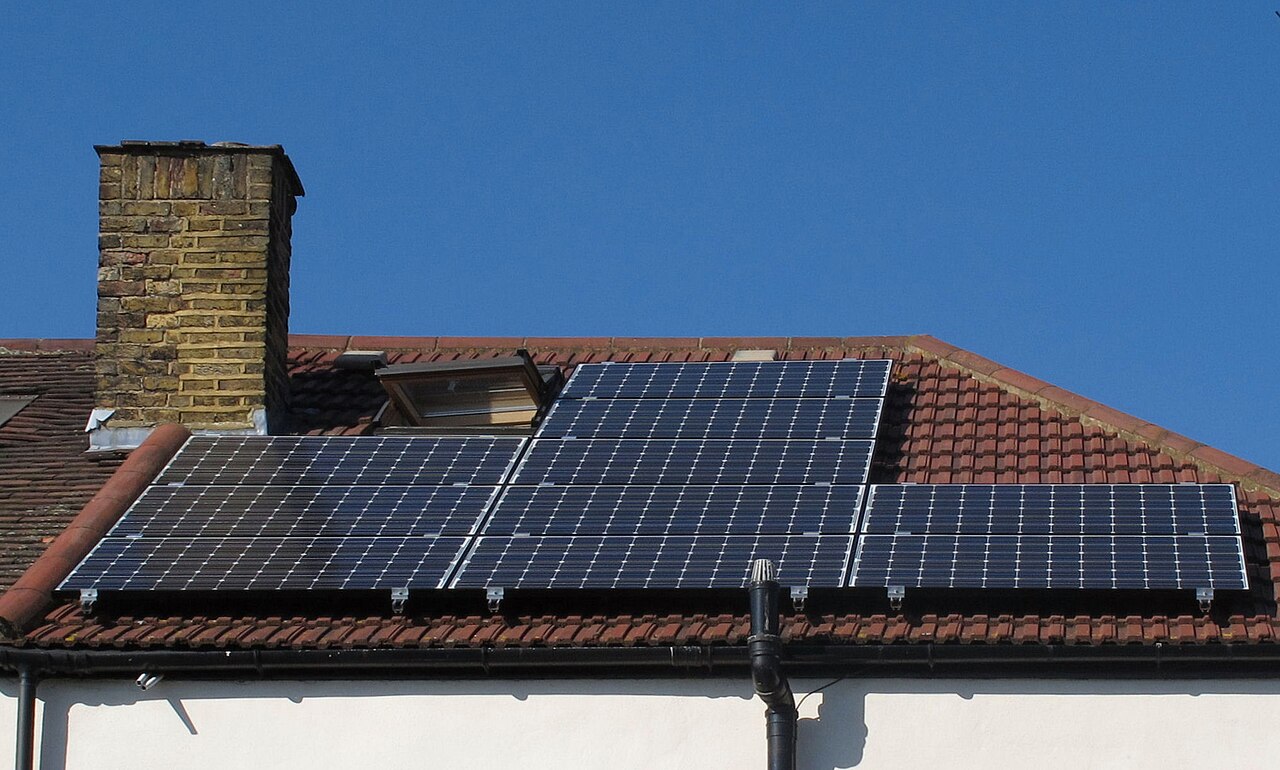
Panels, controllers, batteries, and inverters as a system you build and expand, sized with real sun-hour and battery math.
Open the solar hub →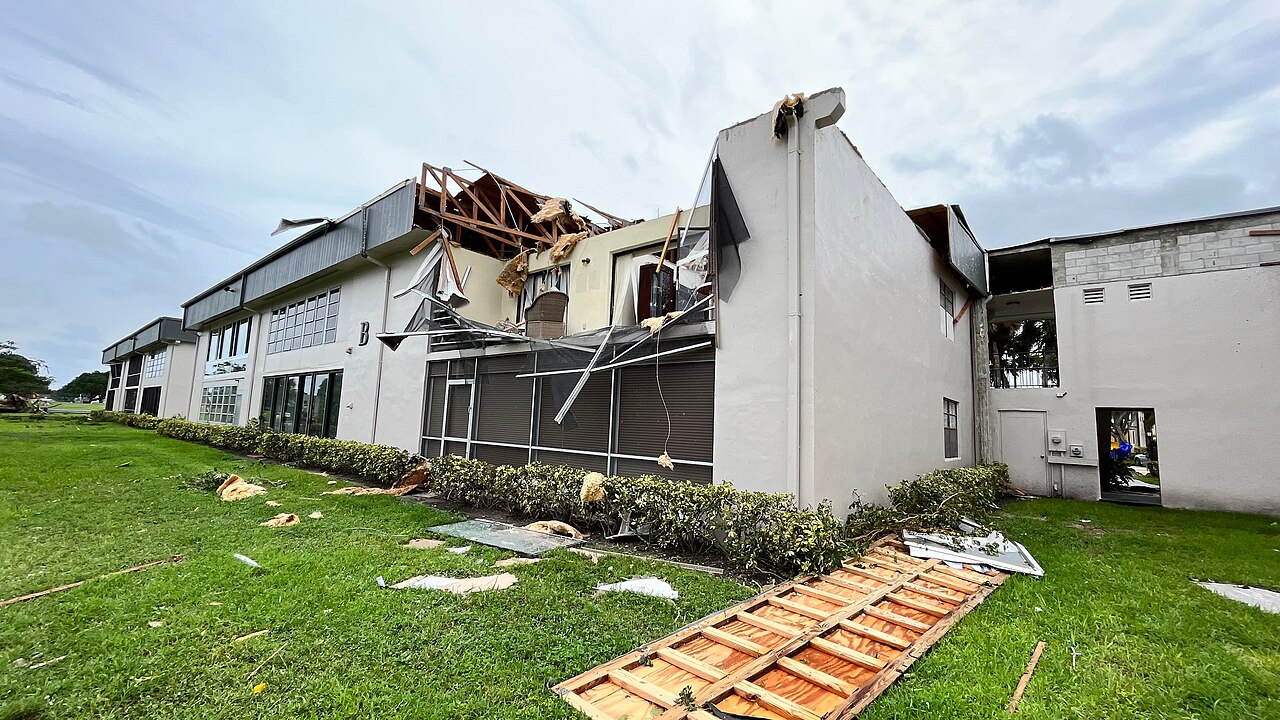
Grid-down, hurricane, winter storm, wildfire evacuation, civil unrest basics, and EMP awareness, each with a tickable checklist.
Open the scenario hub →
Food and water calculators, a bug-out bag builder with live weight totals, and scenario checklists that save your progress.
Open the tools →From your first two weeks of pantry to a full year of calories, plus the freeze dryer that turns grocery sales into 25-year storage.
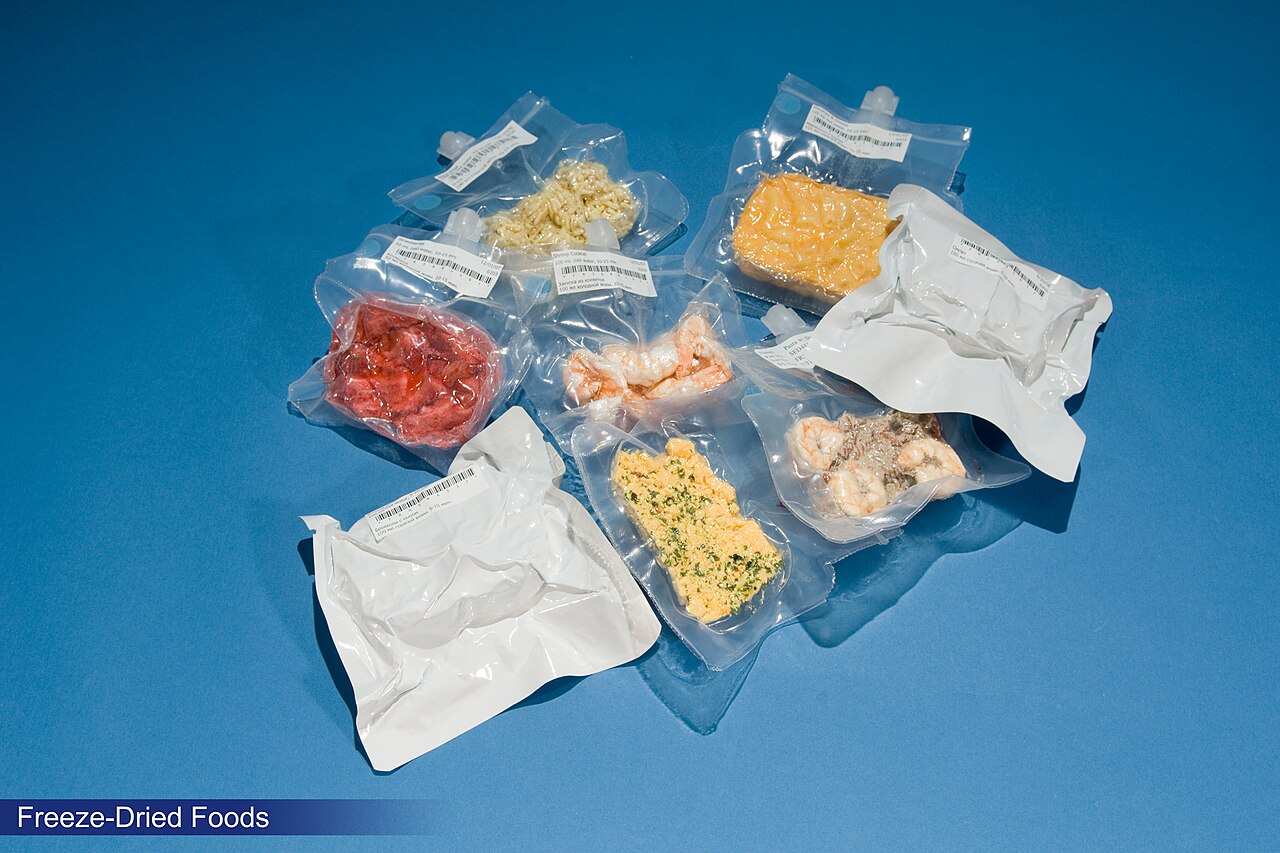
How freeze-dried food works, how long it really lasts, and how #10 cans, pouches, and buckets compare for long-term food storage.
Read the guide →
The math, the layers, and the shopping order for a true one-year food supply: calories first, variety second, and no serving-count traps.
Read the guide →
Pack rice, beans, and grains for decades yourself: food-grade buckets, Mylar bags, oxygen absorber sizing, and the mistakes that ruin DIY storage.
Read the guide →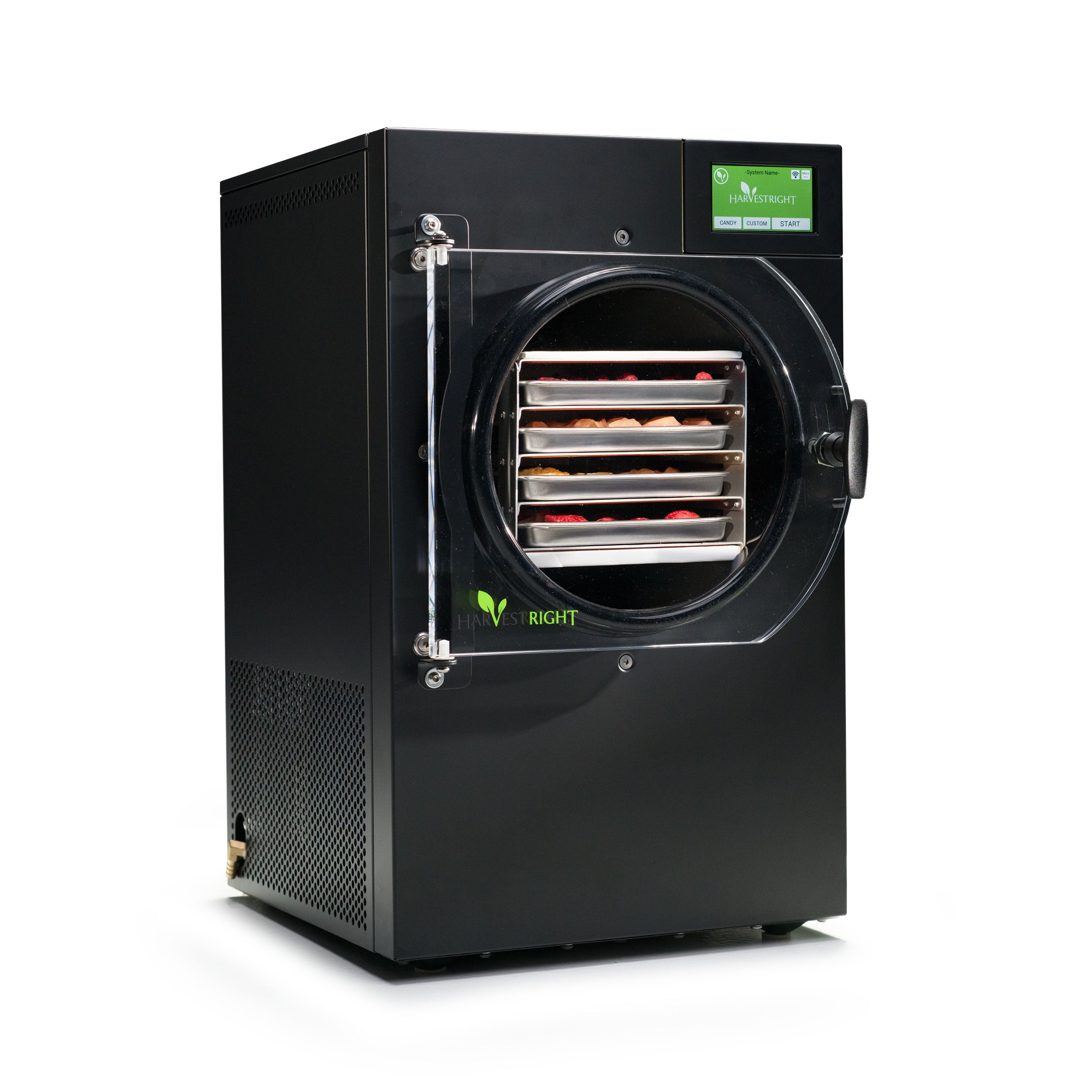
Freeze-dry your own harvest, meat sales, and garden surplus at home: machine sizes, real running costs, cycle times, and what freezes well.
Read the guide →Store it right, and know exactly how to make questionable water safe, with doses and times taken straight from the CDC and EPA.
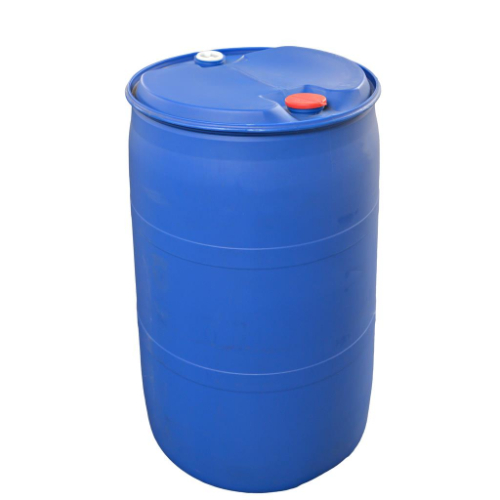
The CDC baseline of a gallon per person per day, food-grade containers, sanitizing, rotation, and where barrels and tanks actually fit.
Read the guide →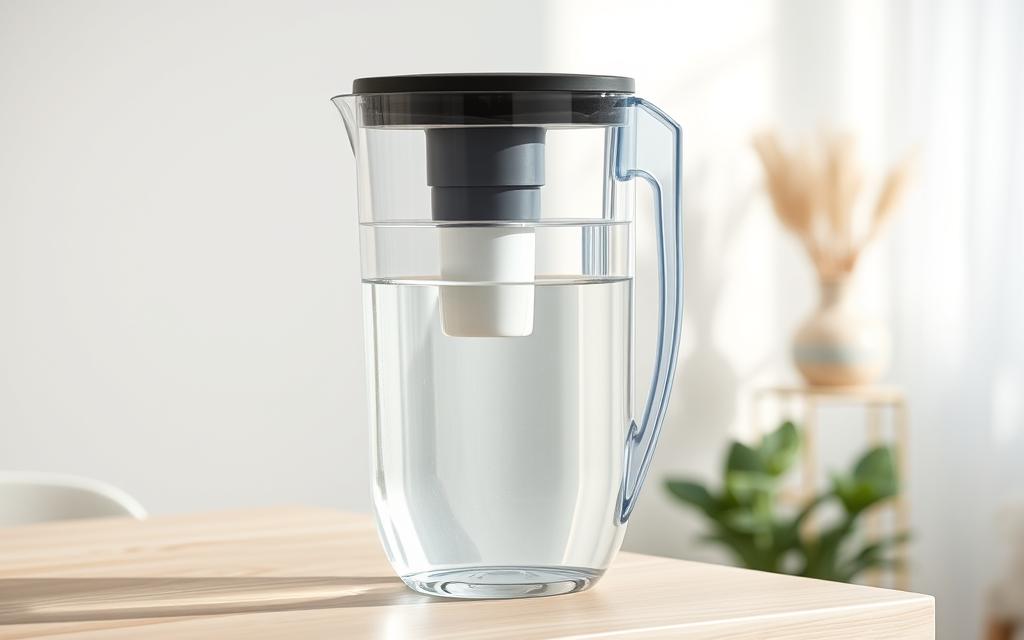
The CDC and EPA playbook for unsafe water: boiling times, exact bleach doses by concentration, settling and pre-filtering, and the limits of each method.
Read the guide →
What each filter type actually removes, the filter-versus-purifier distinction that matters, and how to size a system for a household.
Read the guide →
What actually goes in a 72-hour bug-out bag, the weight budget that keeps it carryable, and the gear people buy that they never need.
Read the guide →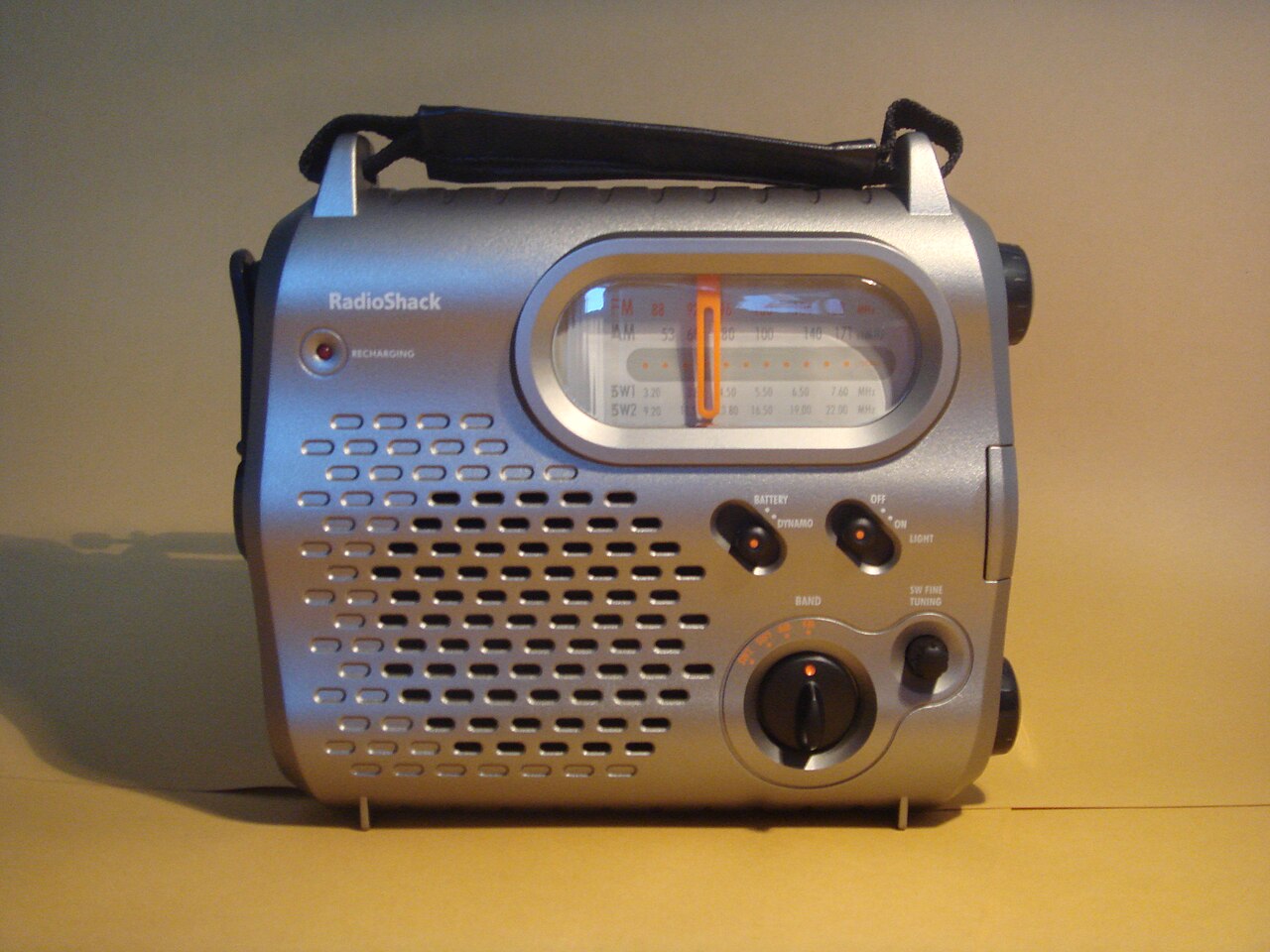
Stay informed and stay in contact when networks fail: NOAA weather radio, FRS/GMRS and ham basics with honest licensing facts, and the paper plan behind it all.
Read the guide →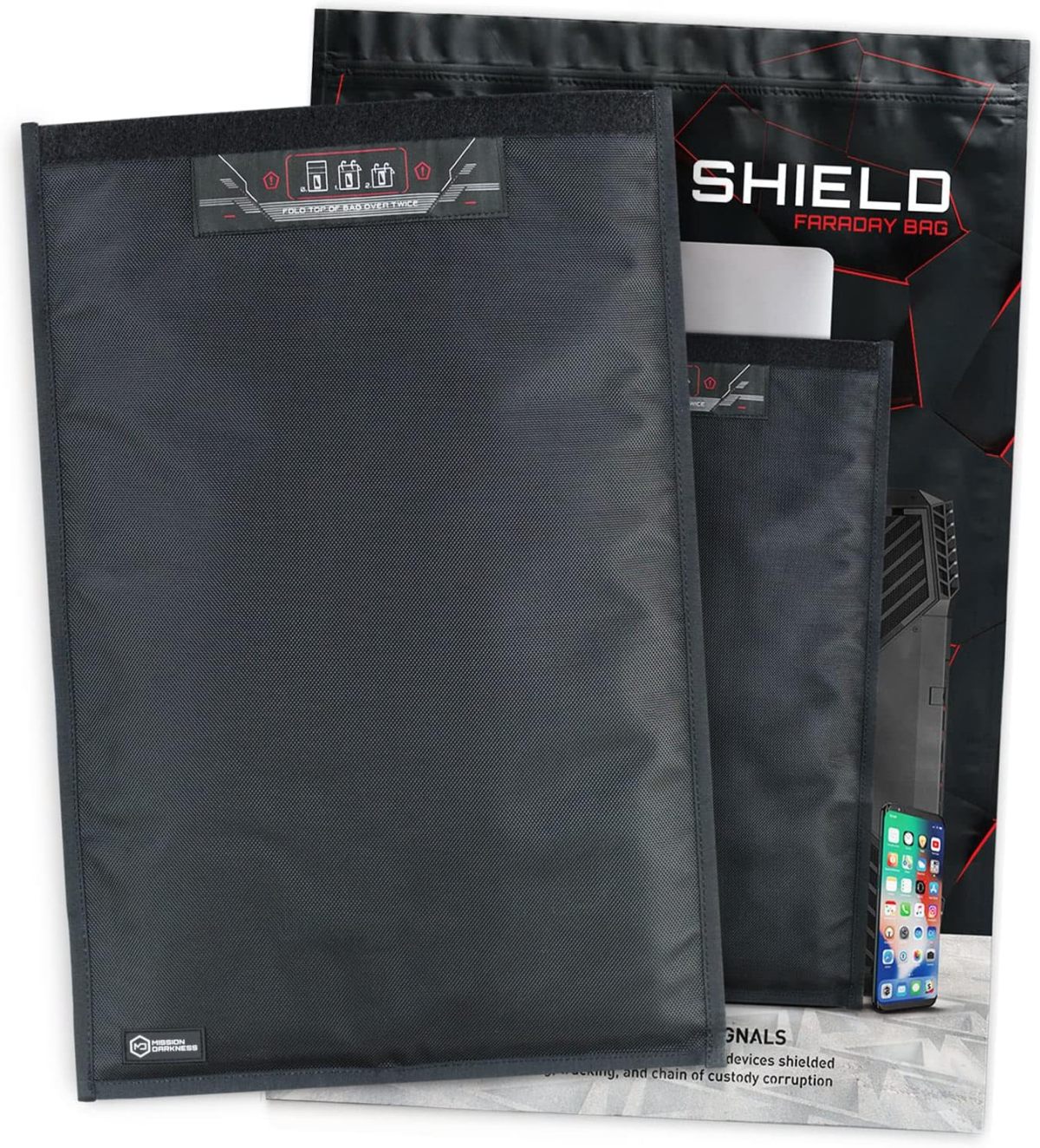
An honest guide to EMP and solar storm risk, how Faraday shielding actually works, nested protection, and what is worth shielding in the first place.
Read the guide →Looking for a battery box you plug appliances into instead? That is a power station, and our sister site BackupPowerGuides covers those in depth. Here, we build systems.
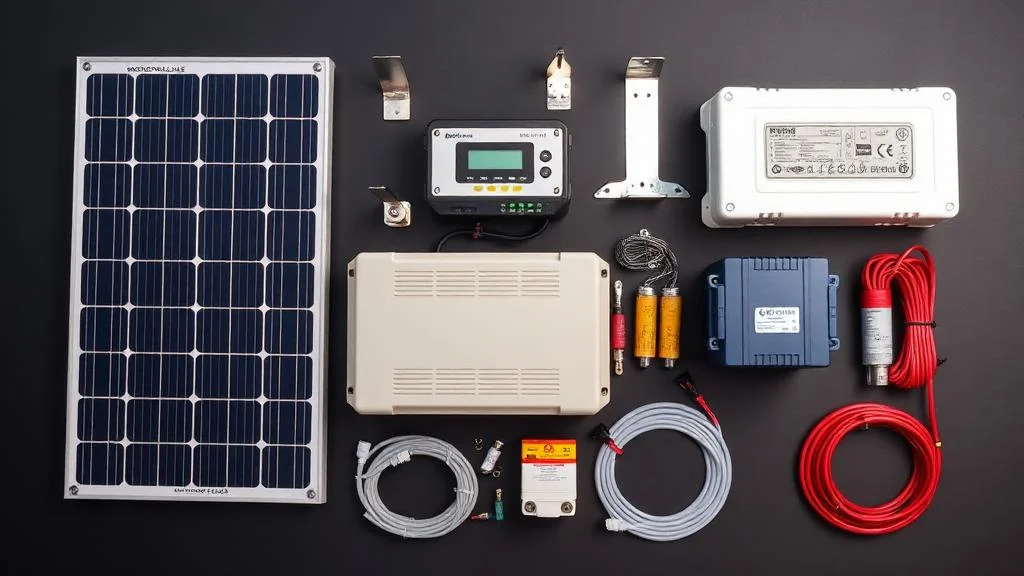
Panels, charge controllers, batteries, and inverters explained plainly: how a kit is sized, what complete kits include, and where the money should go.
Read the guide →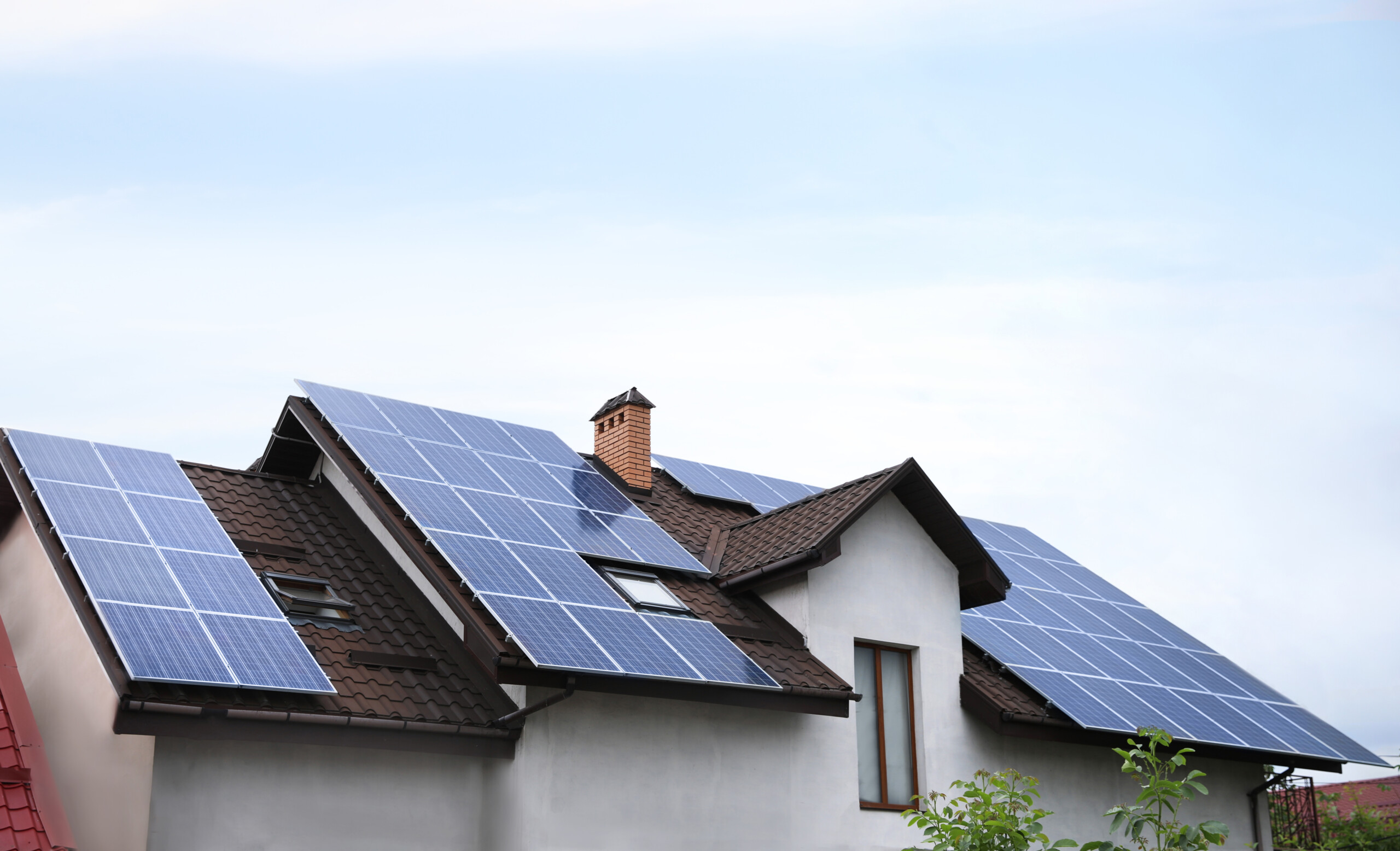
The three calculations behind every honest solar recommendation: daily load, panel watts from sun hours, and battery capacity with real depth-of-discharge limits.
Read the guide →
A realistic playbook for the first three days of a major power outage: water, food, heat, information, and the decisions that matter in order.
Read the guide →Our accuracy rule: every safety figure on this site is checked against a primary source (CDC, EPA, Ready.gov, USDA, the FCC, or the manufacturer) and carries a last-verified date. If an official source ever disagrees with us, the official source wins.